

24x36 led mirror
The Importance of Granite Inspection Plates in Precision Engineering Granite inspection plates are an essential tool in the field of precision engineering and metrology. These plates provide a stable and flat surface that is crucial for various inspection and measurement tasks. This article explores the significance of granite inspection plates, their applications, and the reasons behind their popularity in manufacturing and engineering processes. What are Granite Inspection Plates? Granite inspection plates are flat surfaces made from natural granite stone, known for their exceptional hardness and stability. The granite used in these plates is sourced from specific regions, particularly where the stone is dense and uniform. The plates are precisely machined to achieve a high degree of flatness and surface finish, ensuring that they can serve as a reliable reference point for measurements. Advantages of Granite Inspection Plates 1. Stability and Rigidity Granite is an incredibly stable material that resists deformation even under heavy loads. This property makes granite inspection plates ideal for use in high-precision environments where even the slightest warping can lead to measurement errors. 2. Flatness and Surface Finish Granite plates are meticulously ground and lapped to achieve a flatness tolerance that meets strict specifications. This precision is critical for applications in quality control and testing, where accurate measurements are paramount. 3. Thermal Stability Granite has a minimal coefficient of thermal expansion, meaning that its dimensions remain nearly unchanged with temperature fluctuations. This thermal stability is vital in environments where temperature control is challenging, ensuring that measurements remain consistent. 4. Durability Granite is resistant to scratching and wear, which contributes to the longevity of inspection plates . Unlike softer materials that may degrade over time, granite inspection plates can maintain their performance over many years with proper care. granite inspection plate 5. Chemical Resistance Granite's natural properties make it resistant to many chemicals, oils, and solvents commonly found in industrial settings. This resistance ensures that the surface of the inspection plate remains intact and unaffected, preserving its precision over time. Applications in Industry Granite inspection plates are widely used across various sectors, including aerospace, automotive, and manufacturing. Some specific applications include - Measurement and Calibration Engineers and technicians use granite plates as reference surfaces for calibrating measuring instruments such as gauges, micrometers, and CMM (Coordinate Measuring Machines). - Assembly and Machining In manufacturing, granite plates provide a stable platform for assembling precision components. They can be used during machining processes to ensure that parts are accurately aligned and positioned. - Quality Control Quality assurance teams utilize granite plates to perform inspections and audits on manufactured products. These plates serve as a benchmark against which dimensional tolerances and specifications can be verified. - Tool and Die Making In the tool and die industry, granite plates are crucial for the layout and inspection of molds and dies, ensuring that they meet tight tolerances needed for production. Conclusion Granite inspection plates are indispensable assets in the realm of precision engineering. Their unmatched stability, durability, and resistance to environmental factors make them the preferred choice for many applications that require stringent measurement standards. As industries continue to evolve and demand even higher levels of accuracy, the role of granite inspection plates will only grow in importance. Investing in high-quality granite inspection plates is a decision that pays dividends in the form of enhanced quality control, improved operational efficiencies, and ultimately, greater customer satisfaction.
about
24x36 led mirror
The Significance of Pad Iron in Modern Construction and Design In the realm of construction and design, materials play a pivotal role in determining both the structural integrity and aesthetic appeal of a project. Among these materials, pad iron has emerged as a significant element used in various applications. Traditionally, pad iron refers to a flat piece of iron or steel plate that is employed to distribute weight or pressure over a wider area. Its versatility and strength make it an essential component in both historical and contemporary building practices. The origins of pad iron can be traced back to ancient civilizations, where metalworking techniques were developed to improve structural stability. Initial uses of pad iron were primarily for reinforcing wooden structures, bridging gaps, or providing additional support to key components. Through the ages, as construction techniques evolved, so too did the applications of pad iron. Today, it is commonly found in a wide variety of constructions, from residential buildings to large-scale industrial projects. One of the most critical functions of pad iron is its ability to distribute weight effectively. In engineering terms, this is known as load distribution. When heavy materials or machinery are placed on a surface, the pressure can cause stress points that may lead to structural failure. Pad iron helps mitigate this risk by spreading the weight across a larger area, thereby reducing the likelihood of damage. This function is particularly vital in settings like bridge construction, where the integrity of the entire structure depends on the even distribution of weight. In addition to its structural advantages, pad iron also serves an important aesthetic function. In modern architecture, the exposure of raw materials such as iron and steel has become a popular design choice. Many architects integrate pad iron into their projects to create an industrial look, blending old-world materials with contemporary design elements . This trend not only celebrates the material’s historical significance but also showcases its robustness and practicality. pad iron Furthermore, pad iron has found applications beyond basic construction. In the realm of art and sculpture, artists have begun to utilize pad iron in their works to achieve unique structural and visual effects. Its malleability allows for creative designs that push the boundaries of traditional forms. Whether used in landscaping, sculptural pieces, or innovative architectural canopies, pad iron contributes a rugged yet elegant touch. Another noteworthy application of pad iron is in the realm of bridge building. Bridges must handle not just static loads but also dynamic forces due to vehicular and pedestrian traffic. Pad iron is often used in the construction of expansion joints and bearings, which allow structures to accommodate movement caused by temperature changes or heavy loads. By providing additional support and flexibility, pad iron helps ensure that bridges remain safe for public use, demonstrating its critical role in civil engineering. Beyond its physical applications, pad iron also holds a symbolic place in our architectural heritage. It represents the intersection of function and form, embodying the principles of durability and design. The use of pad iron in restoration projects highlights its significance in preserving historical structures, proving that modern materials can harmonize with traditional craftsmanship. In conclusion, pad iron is a material that has stood the test of time, evolving from its basic function of weight distribution to becoming a multifaceted element in modern construction and design. Its strength, versatility, and aesthetic appeal continue to inspire architects, engineers, and artists alike. As we move forward into an increasingly complex architectural landscape, the enduring presence of pad iron serves as a reminder of the importance of functionality and creativity in building a better world. Emphasizing both its practical applications and its artistic potential, pad iron remains a foundational element in the evolution of our built environment.
-

High quality industrial productsagement

High quality industrial products
View Details -

Meet the diverse needs of customers

Meet the diverse needs of customers
View Details -

Strict quality control

Strict quality control
View Details -

Top raw materials

Top raw materials
View Details -

Trusted supplier

Trusted supplier
View Details
Our application

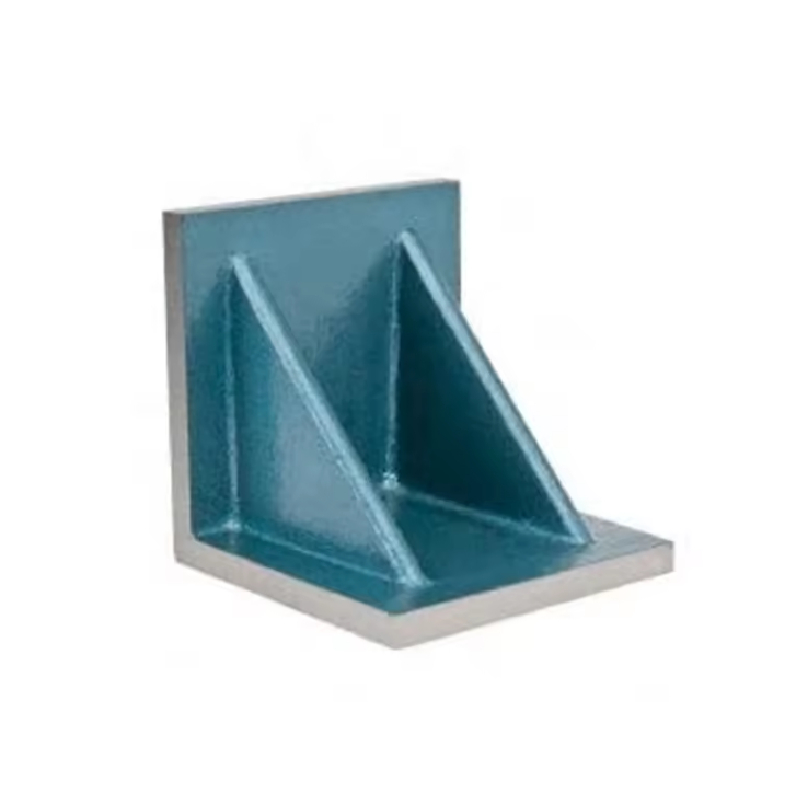


news and information

Y-Type Strainer Featuring a Convenient Drain Valve for Efficient Filtration Solutions
Understanding the Y-Type Strainer with Drain Valve Essential for Efficient Fluid Management In vario
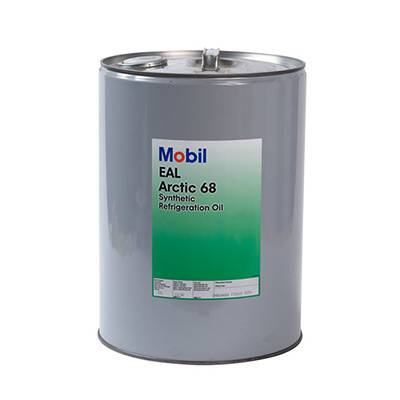
What Are Pin Gauges Used For
A pin gauge is a precision tool designed for pin gauge use to measure the diameter of holes or verif
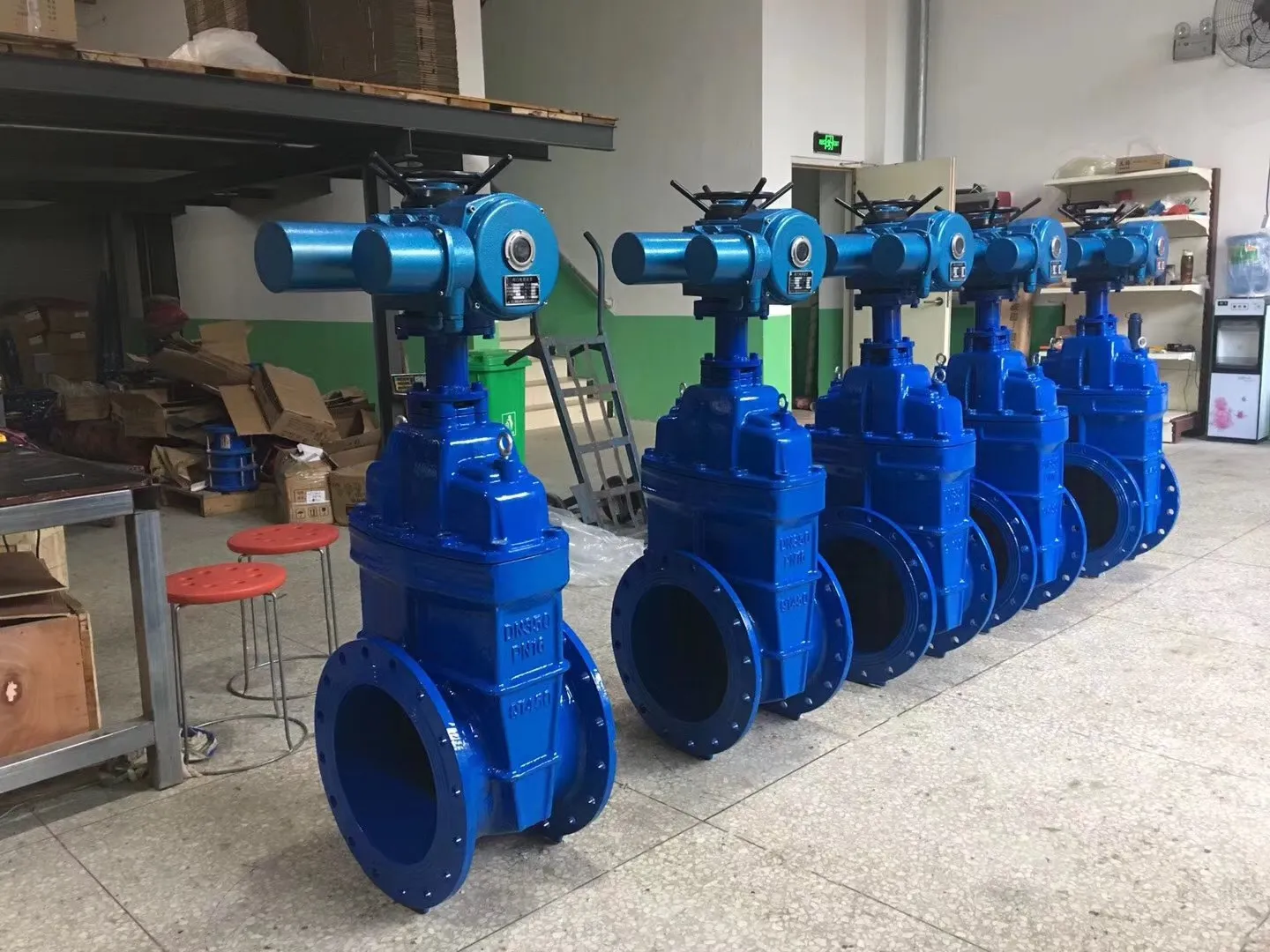
valve supplier
Choosing the right valve supplier is a critical decision for manufacturers and industries worldwide.
 English